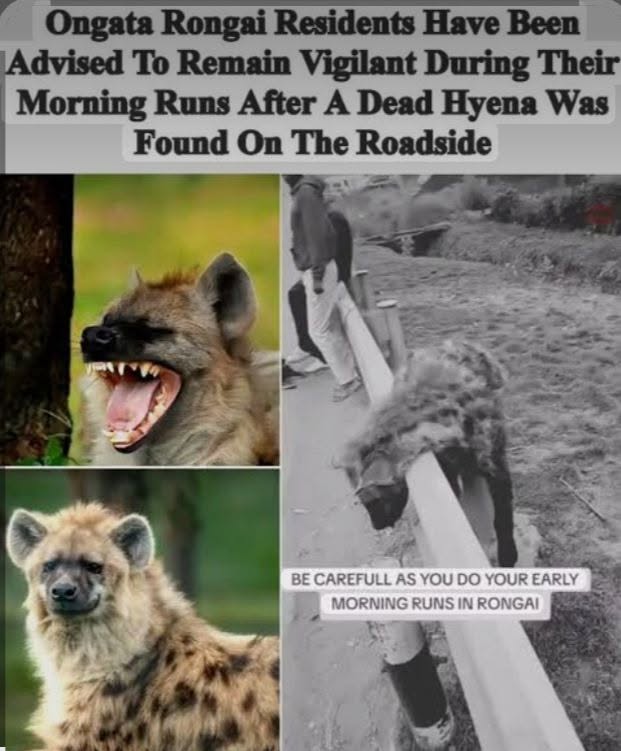
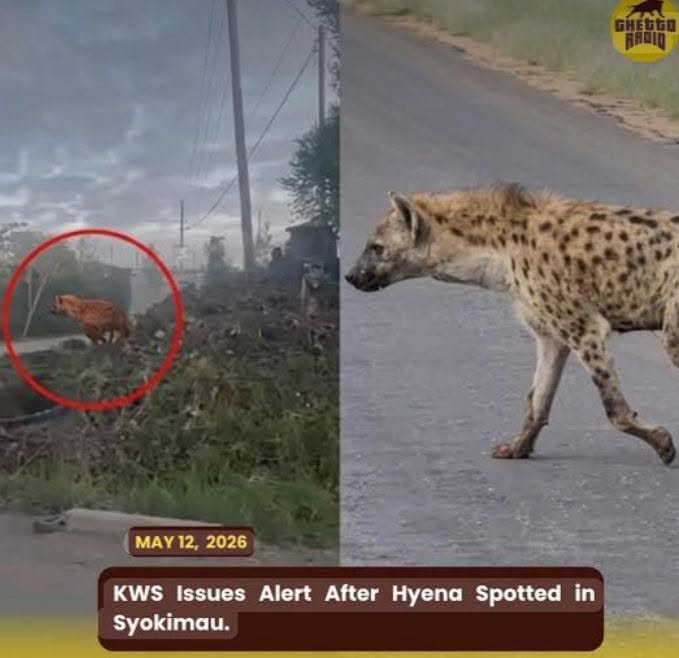
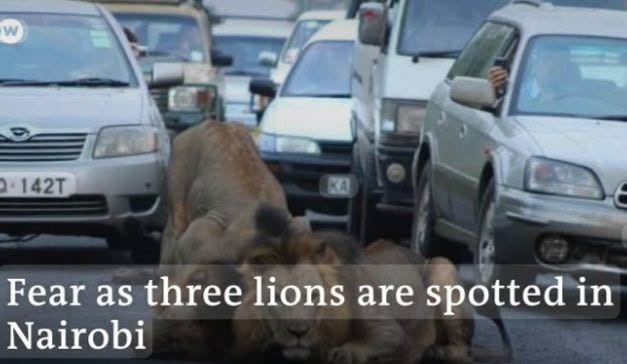
 It isn’t uncommon for lions, leopards, hyenas, buffaloes, zebras, giraffes, monkeys, porcupines and other wild animals to be spotted roaming freely in residential areas such as Lang’ata, Karen, Olkeri, Oloolua, Ngong, Lukenya and Ongata Rongai that are close to Nairobi National Park, Oloolua Forest and Ngong Hills Forest.
So how do people here protect themselves from possible wildlife attack?
They:
1). stay vigilant and indoors at night to avoid conflict, particularly when wildlife sightings are reported
2). secure their homes and communities with perimeter walls and other shelters
3). avoid going in or near Oloolua and Ngong Hills forests at night
RELATED: Sextortion Epidemic Plagues Teens
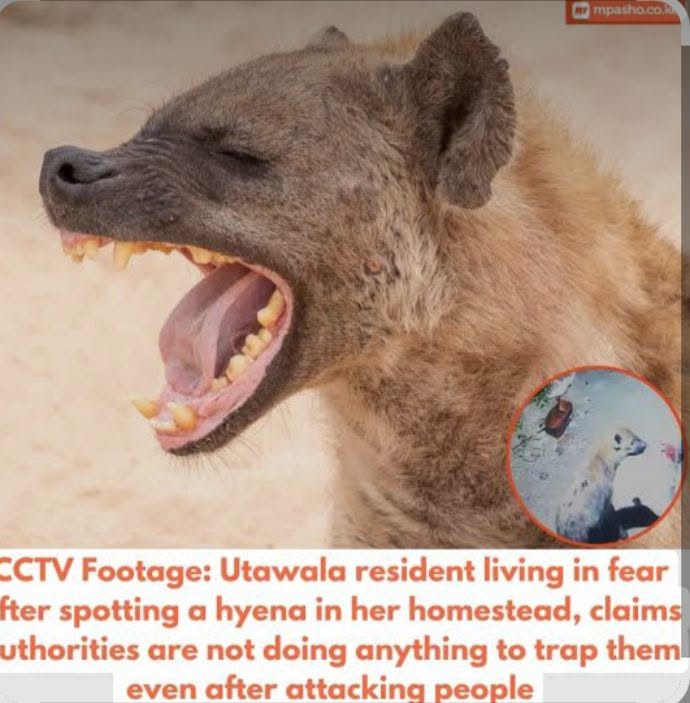 4). take special precaution during heavy rains or particularly long dry seasons
5). call for help from Kenya Wildlife Service when conflicts arise
6). install 1-meter-high shade cloth or fine mesh along the base of their perimeter fence that they bury at least 30 cm into the ground to prevent burrowing by wildlife
7). harvest
fruits early and clear fallen fruit from the ground to avoid attracting wild animals
8). cut back tree branches that touch their roofs or balconies to prevent tree snakes, bush babies and monkeys from entering roof space
RELATED: Parenting Through Tough Times
 9). keep their lawns mowed below 3 inches and prune the lower branches of bushes and shrubs up to 12 inches off the ground so wildlife cannot hide underneath unseen
10). elevate their stored firewood on racks at least 12 inches off the ground and away from the main house structure
11). keep all household garbage in bins with tightly fitting, lockable lids to prevent attracting baboons, stray dogs and rats
12). cut prey supply as snakes and wild animals are primarily driven to their home by the scent of food or the presence of rodents
13). store livestock and pet feed inside airtight plastic containers
 14). secure air vents, sweep holes and drainage pipe exits with fine 1/8-inch wire mesh (hardware cloth)
15). inspect all doors and windows and install heavy-duty door sweeps or weather stripping on gaps larger than one-quarter-inch (0.6 cm)
16). check where plumbing, electrical wiring or AC conduits enter their home and pack these gaps tightly with steel wool and seal them with expanding foam or mortar
17). remove piles of rocks, timber, scrap metal or building debris to keep snakes out of their home.
#snakes #snakerepellent #safety #safetyfirst #safetytips #wildlife #home #settlement #wildlifecorridor #wildanimals #nairobinationalpark #olkeri #langata #kenyawildlifeservice #conflict #nairobi #karen #ngonghills #ngonghillsforest #olooluaforest #stayingalert #keepingvigil #oloolua #ngong #ongatarongai #kiserian #matasia #advisory